
Lutron
Controls, dimming, and occupancy sensors — Vive, Athena, and legacy Grafik systems for retail, office, and hospitality spaces.
California’s energy code requires more than compliant fixtures — the controls must be installed, programmed, tested, and documented. We deliver the full compliance package so your project clears inspection without a last-minute scramble.
Title 24 compliance is a process, not a single inspection. We integrate each step into your construction schedule so acceptance testing happens when the building is ready — not weeks after CO is blocked.
We review electrical plans, the lighting control narrative, and fixture schedules before rough-in begins. This catches zoning errors, missing sensors, and daylight zone boundaries that are expensive to fix after drywall.
Low-voltage wiring, sensor locations, and ceiling-device layouts are coordinated with the lighting contractor and GC. We verify ceiling heights, soffits, and window placements that affect sensor coverage and photosensor aiming.
After fixtures are energized, we program control sequences, set time delays, calibrate photosensors, and run functional tests in every zone. Failures are corrected before the formal acceptance test — not during it.
A certified installer or third-party inspector performs the formal acceptance test, records results on the required forms, and confirms every control function meets the current energy code. Test data is organized for the building department and HERS rater.
NRCA and NRCV forms are completed, signed, and filed with the building department or through the approved compliance platform. We stay available through final inspection if the AHJ or HERS rater has follow-up questions.
Commercial lighting compliance in California falls under the Building Energy Efficiency Standards — commonly called Title 24. The nonresidential lighting requirements cover mandatory controls, power density limits, and acceptance testing for new construction, alterations, and many tenant improvements.
Nonresidential lighting controls are governed by California Energy Code Section 130.1 and related mandatory measures in Part 6. Alterations and additions may trigger compliance under Section 141.0. We confirm which sections apply to your specific alteration or new-build scope during plan review.
Acceptance testing documentation typically includes the Nonresidential Certificate of Acceptance for lighting controls — form NRCA-LTI-04-E — and the corresponding verification form NRCV-LTI-04-E. Additional forms may be required for outdoor lighting, parking garage controls, or demand-responsive controls depending on project scope.
Acceptance testing must be performed by a certified technician, and many jurisdictions require a certified third-party inspector who was not involved in the installation. HERS raters may also verify compliance as part of the overall energy compliance package. Building department plan check and field inspection timelines vary by city — we coordinate with your AHJ and rater schedule.
Projects with demand-responsive controls or automated demand response may require coordination with the local utility program — PG&E, Silicon Valley Clean Energy, or other CCA providers serving the Bay Area. We confirm whether your scope triggers DR requirements and handle the control-side integration.
We work with the control and fixture manufacturers specified on most commercial TI projects across the Bay Area. Lutron certification on our team means we can program, troubleshoot, and acceptance-test Lutron systems without bringing in a separate controls vendor.
Controls, dimming, and occupancy sensors — Vive, Athena, and legacy Grafik systems for retail, office, and hospitality spaces.
Commercial fixtures for open office, back-of-house, and high-bay applications with integrated or remote-mounted sensors.
Switches, receptacles, and standalone occupancy/vacancy sensors for smaller zones and code-required manual controls.
Commercial fixtures and track heads for retail showrooms, restaurants, and property management common-area upgrades.
Most of our Title 24 work falls on retail and restaurant build-outs from 1,500 to 15,000 square feet, though we handle larger commercial TI projects and multi-tenant common-area retrofits. Controls installation and programming typically run one to three weeks depending on ceiling type and fixture count; acceptance testing adds one to two days on site.
Rough-in work is handled by a two- to four-person crew coordinated with the lighting installer. Programming and acceptance testing is performed by a certified Title 24 technician, with a third-party inspector when the jurisdiction or owner requires independent verification.
These are recent commercial lighting installations where our crew handled fixture layout, track and accent lighting, and the control wiring that feeds into Title 24 acceptance testing. Every retail build-out and restaurant TI we complete includes the compliance path from rough-in through certificate filing.
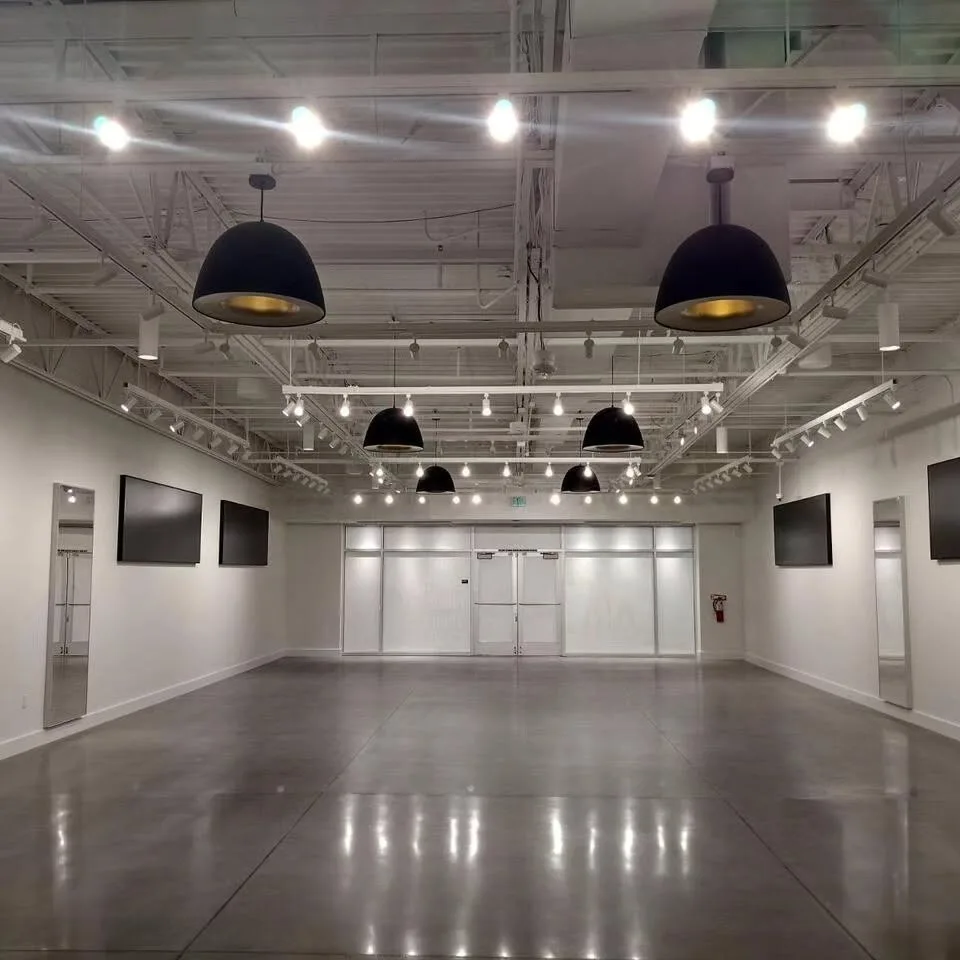
Title 24 controls & sensors
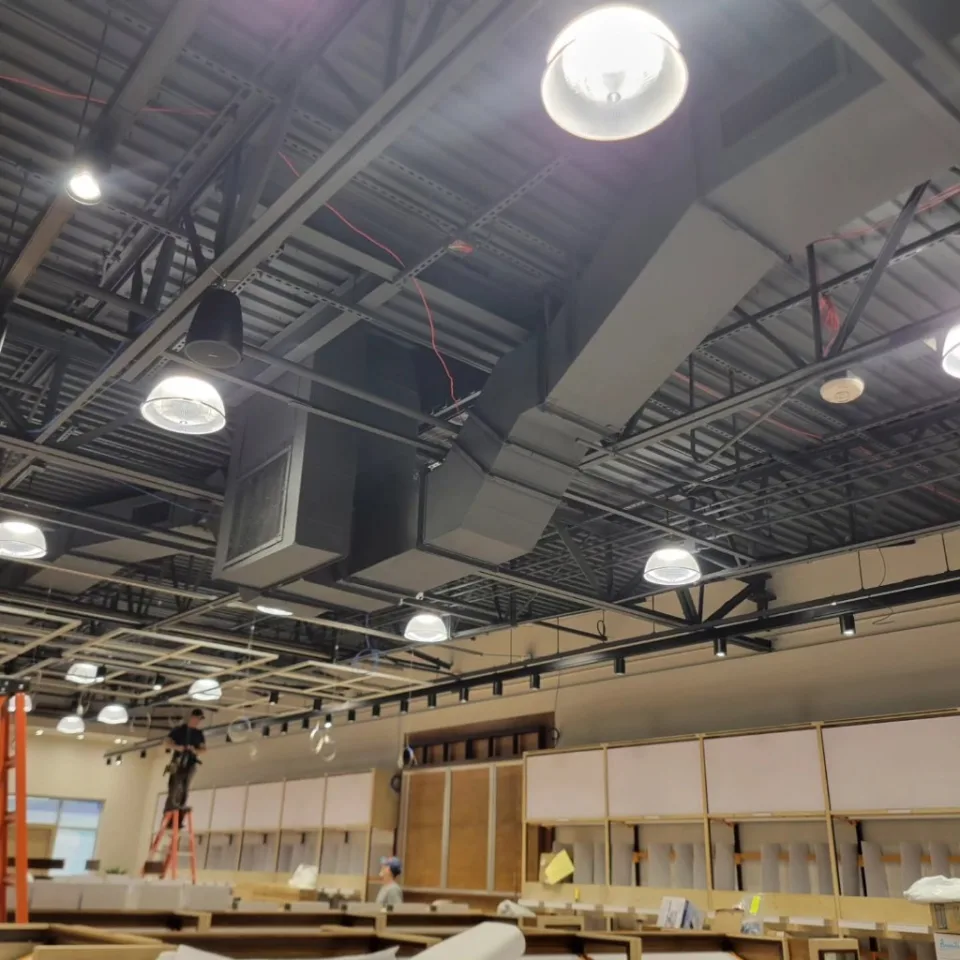
Ceiling layout before testing
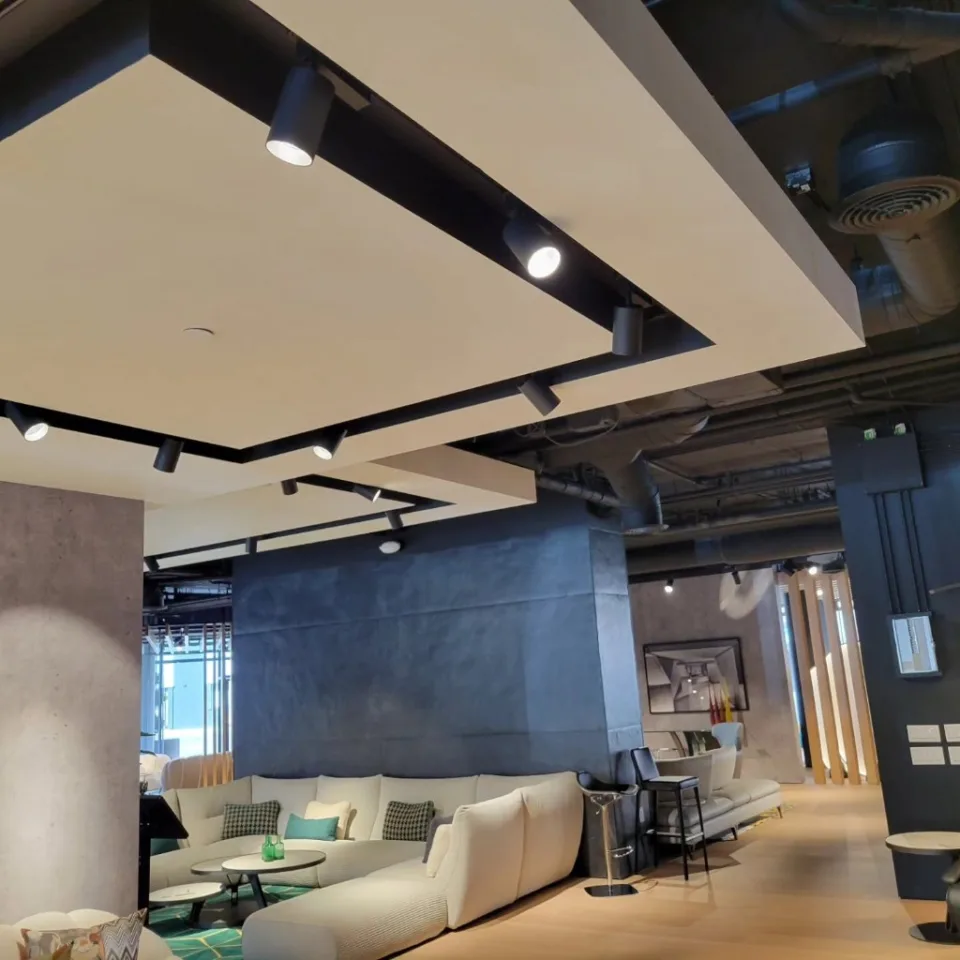
Multi-zone dimming & sensors
Most of our Title 24 work arrives through tenant improvements and build-outs in these sectors. Each has different zoning, hours-of-operation, and inspection requirements — we know the patterns.
Based in Fremont, we handle Title 24 compliance across the entire San Francisco Bay Area. See all service areas →
Yes. We regularly take over projects where another contractor installed the lighting controls but failed acceptance testing. We diagnose the failures — wrong sensor type, incorrect wiring, missed daylight zones, programming errors — correct them in the field, then re-run the acceptance test and prepare the documentation for filing.
Yes. Our Title 24 certified team handles the full scope: control installation, programming, functional testing, acceptance testing, and documentation. One contractor owns the compliance path from rough-in through certificate filing, which eliminates the finger-pointing that happens when installation and testing are split across vendors.
An acceptance test verifies that installed lighting controls perform as required by the California Energy Code. The technician confirms occupancy and vacancy sensors respond within the required time delays, daylighting zones dim or shut off fixtures when daylight is sufficient, automatic shut-off and time-switch controls operate on schedule, and manual overrides function correctly. Results are recorded on the required NRCA forms for submission to the building department.
For a typical retail or restaurant build-out, plan one to two days for programming and functional testing after fixtures and controls are energized, plus a half-day for the formal acceptance test and documentation. Larger spaces with complex zoning, multi-level daylight harvesting, or demand-responsive controls may need additional commissioning time. We coordinate testing with your inspection schedule so compliance work does not hold up certificate of occupancy.
Yes. Our team includes Title 24 certified third-party inspectors who can perform acceptance test inspections on projects we did not install. This is useful when the installing contractor cannot provide certified inspection, when the owner or GC wants independent verification before final sign-off, or when a failed test needs a fresh set of eyes.
Email your electrical plans, lighting control narrative, and fixture schedule — our estimating team will scope the Title 24 compliance work and respond with a commercial quote.