Retail electrical work is driven by a date the public knows about. When a brand announces a store opening, rough-in, trim, controls programming, and final inspection all have to land before merchandising moves in. That fixed deadline shapes every decision — from circuit sequencing to night shifts in the final week.
Storefront and showroom lighting is brand work, not generic office lighting. Track systems, accent cans, display cases, and window lighting must match the architect’s fixture schedule — wattage, beam spread, color temperature, and mounting height. Both need to look intentional under Title 24 limits on display and accent loads.
Most Bay Area retail build-outs happen in leased shells where landlord and tenant split electrical scope. The landlord delivers base building power and panel capacity; the TI covers everything inside the demising line — POS and data circuits, security rough-in, signage power, and the full lighting package. We clarify that split early so nobody discovers a missing circuit when the fixture vendor arrives.
Retail spaces are dense with infrastructure beyond lighting. Registers, card readers, Wi-Fi, cameras, and audio all need dedicated circuits and coordinated rough-in before drywall closes. We work from the low-voltage plan with the security/AV installer so box locations are right the first time.
Retail TI happens in a tight shell with every trade stacked on each other. Electrical has to hit milestones without blocking the GC — rough-in before close-up, trim after paint, controls commissioning after fixtures hang, and a clean punch before soft opening.
Full TI build-out from shell to CO — power, lighting, and low-voltage rough-in for your retail space.
Acceptance testing for your lighting plan — including retail display and accent loads.
Lutron dimming and scene programming for the showroom — day, evening, and display modes.
Post-opening electrical support — tripped breakers, fixture replacements, and add-a-circuit work.
Retail TI electrical touches almost every trade on the job. We stay aligned with the full project team from pre-con through final inspection.
Retail projects run on fixed opening dates. From shell turnover, every week is accounted for: rough-in before drywall, trim after paint, fixture hang with the vendor, controls programming, and final walkthrough before merchandise arrives. When the schedule compresses, we work nights and weekends, run phased inspections, and plan around soft openings so the store is powered and signed off before doors open.
Title 24 — Retail plans face high display and accent loads, window treatments affecting daylight calculations, and multi-scene control requirements. Our certified team designs to code and runs acceptance testing so your CO isn’t held up.
Signage permits — Illuminated storefront signs need dedicated circuits, disconnects, and often a separate permit. We coordinate rough-in with the signage contractor’s schedule.
ADA & fire alarm — Path-of-travel, dressing rooms, and checkout areas must meet accessibility illumination levels. Tenant TI often ties into the base building fire alarm — we coordinate device locations and inspection sign-off with the fire alarm contractor.
Named retail projects across the Bay Area — flagship storefronts, showroom lighting, and tenant improvement electrical.
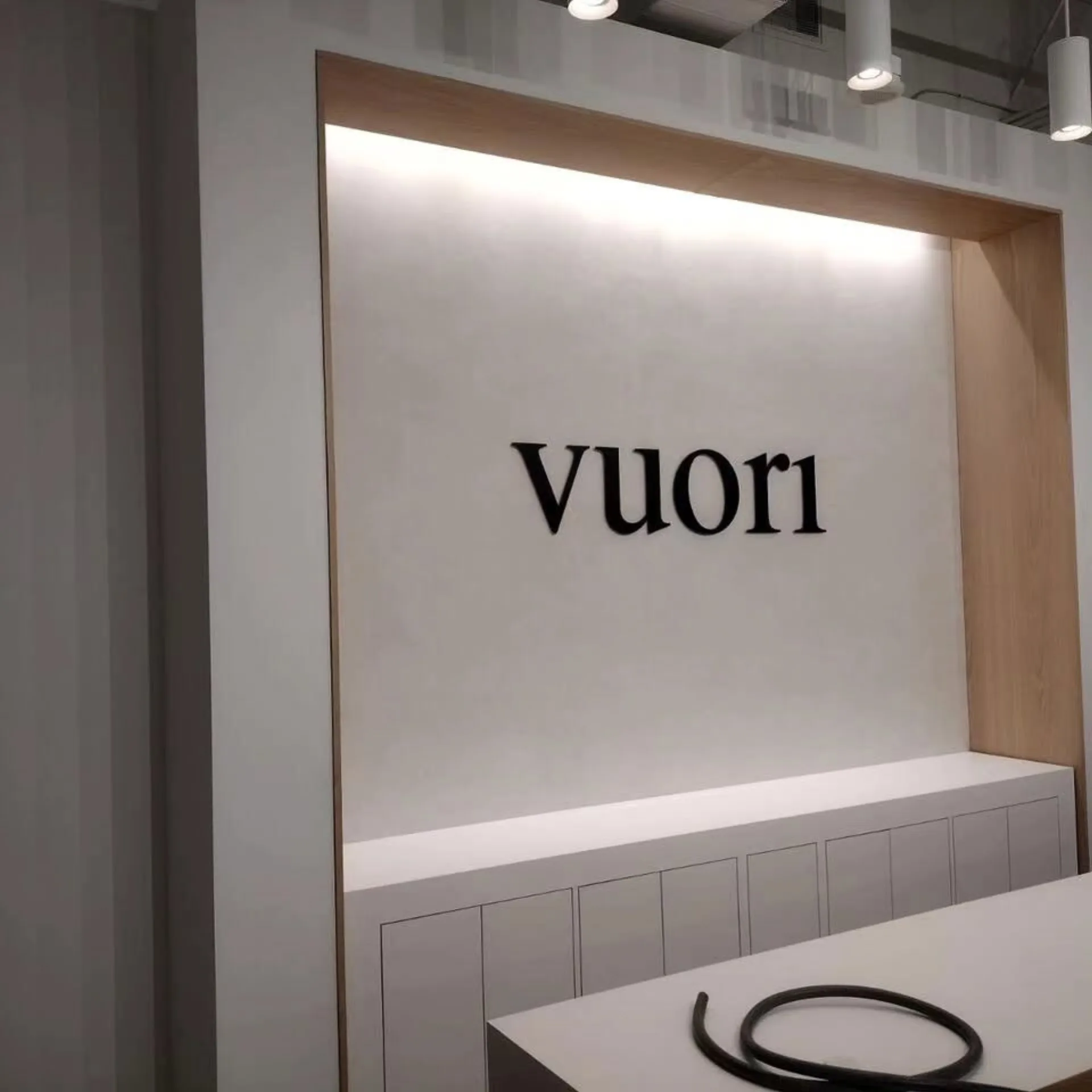
Retail clothing · Bay Area
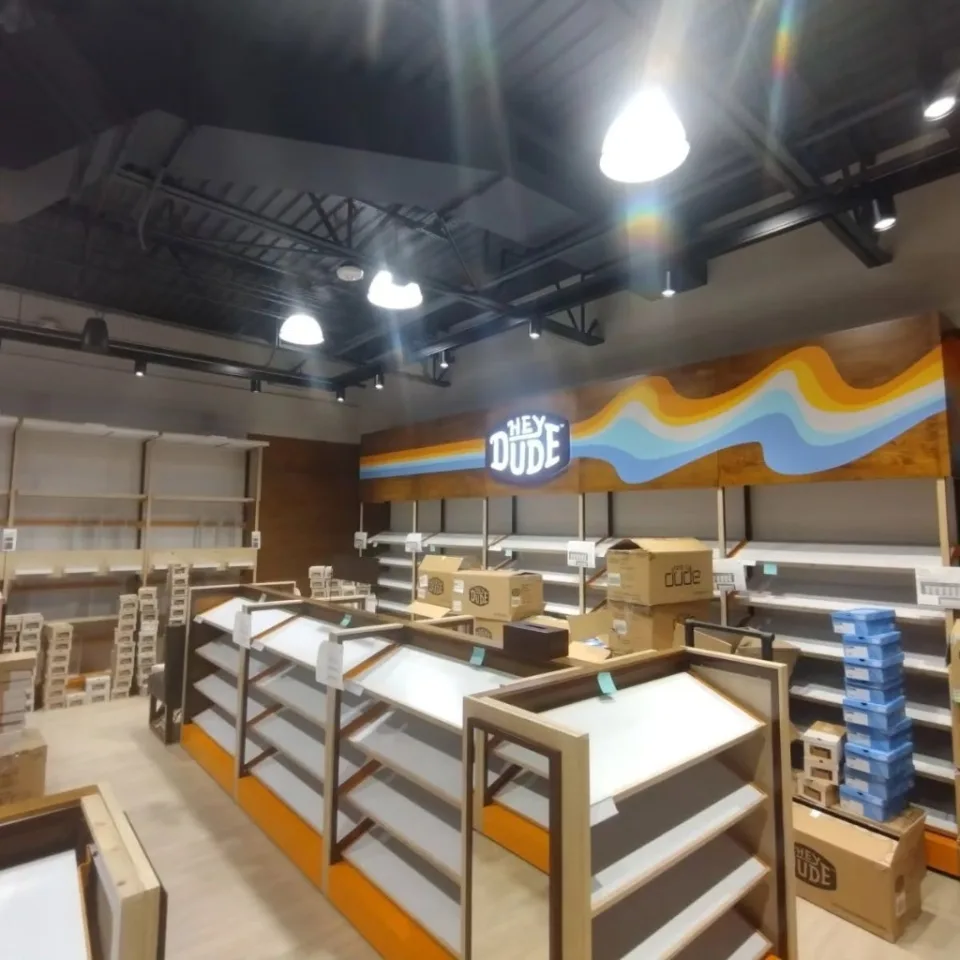
Shoe store · Bay Area
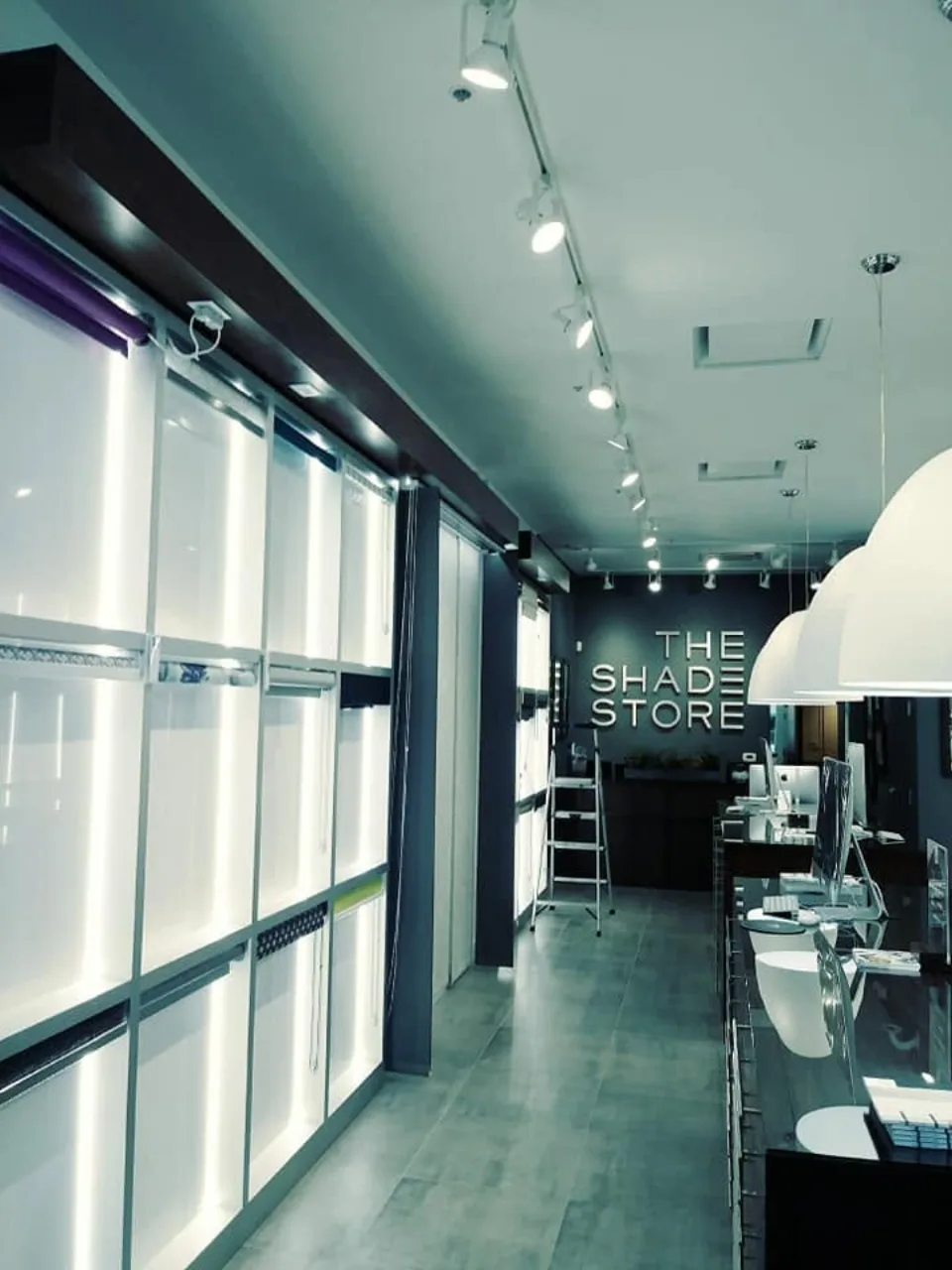
Showroom lighting · Bay Area
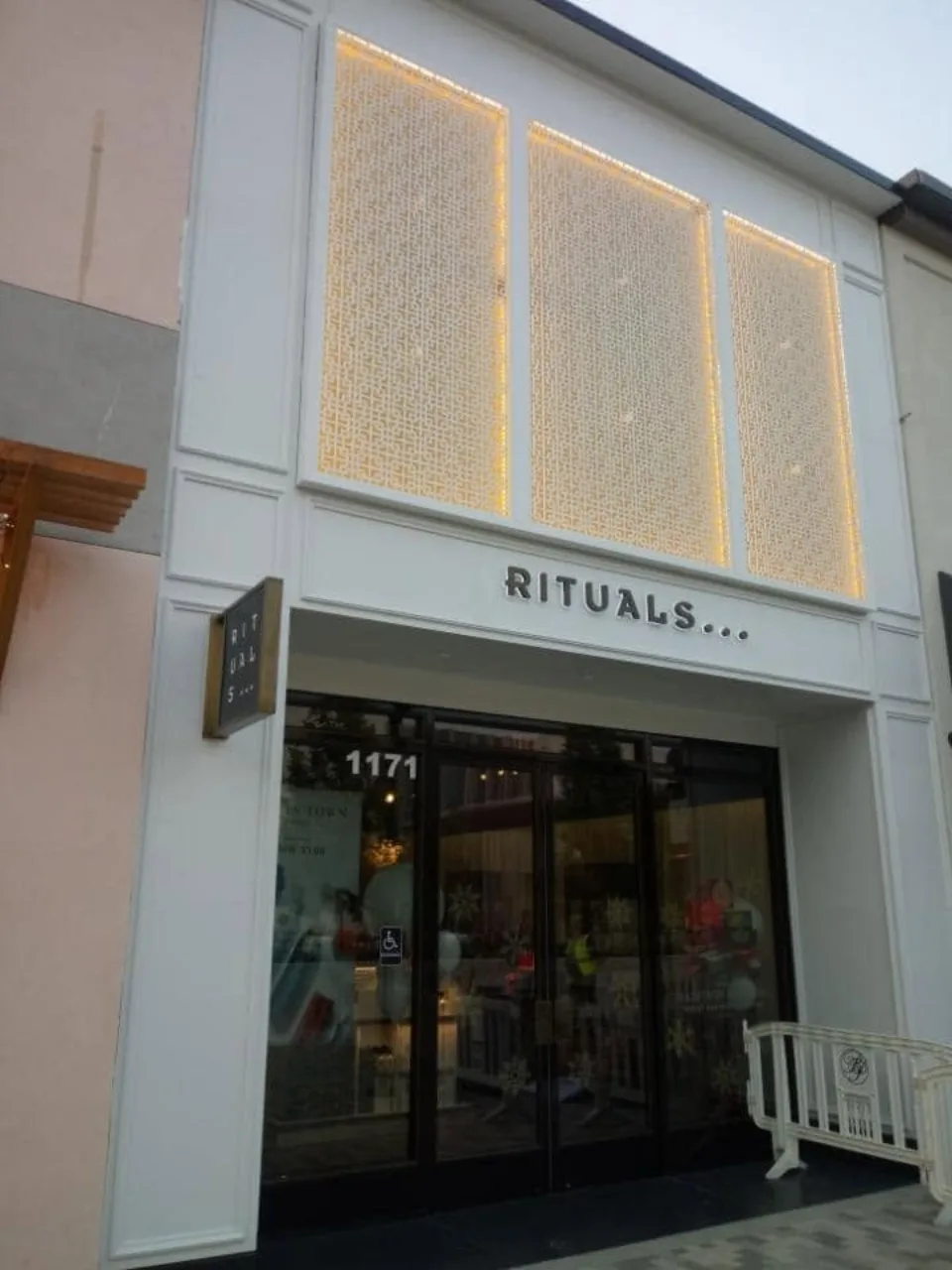
Storefront · Bay Area
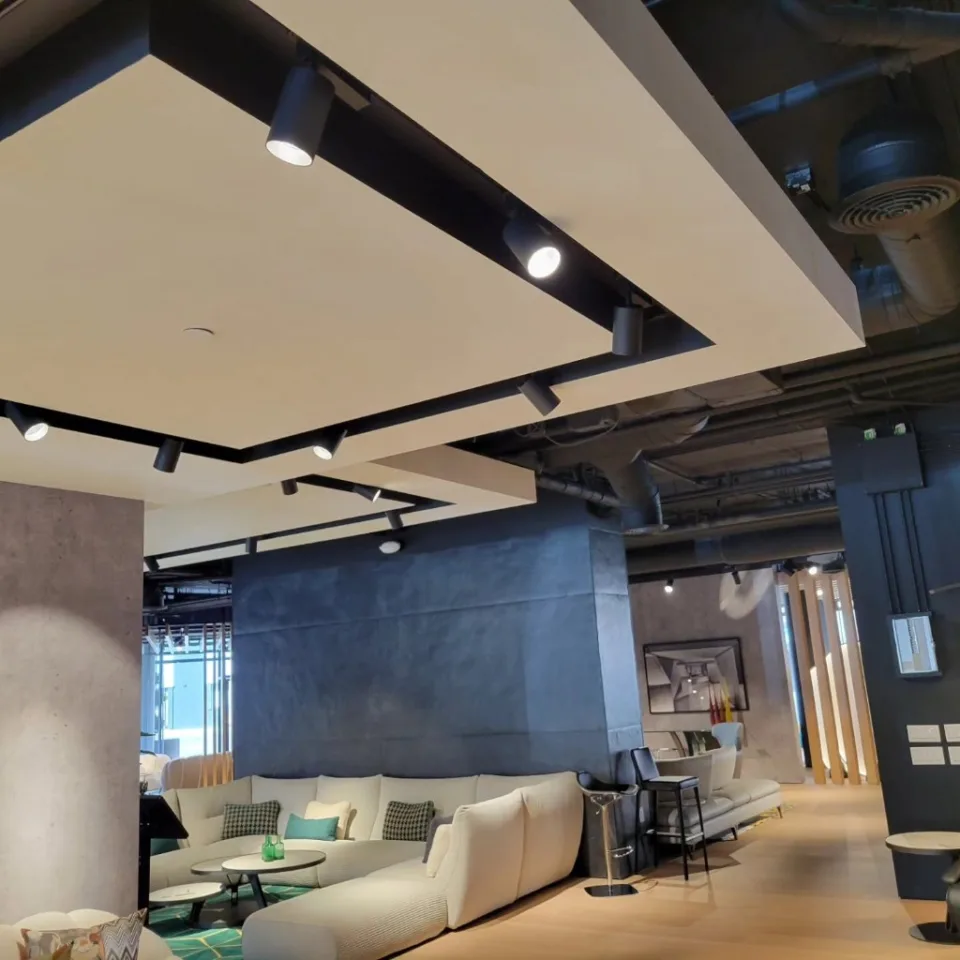
Retail build-out · Bay Area
Yes. We work from your architect’s fixture schedule and coordinate with the fixture vendor on lead times and mounting. If the schedule changes, we flag what affects rough-in versus trim.
Our Title 24 certified team designs to retail-specific requirements, runs acceptance testing, and provides documentation your GC or landlord needs for final inspection.
Yes. We schedule night and weekend work around merchandise delivery, fixture installation, and your hard opening date.
It depends on the lease. Often the landlord or GC holds the building permit and we pull our electrical sub-permit. We clarify this during estimating.
Changes after rough-in usually mean rework. Lock the schedule before drywall close-up; after that, changes are possible but cost and lead time increase.
Send us your plans or schedule a walkthrough of the shell. We’ll scope the electrical, flag the landlord/tenant split, and give you a timeline tied to your opening date.